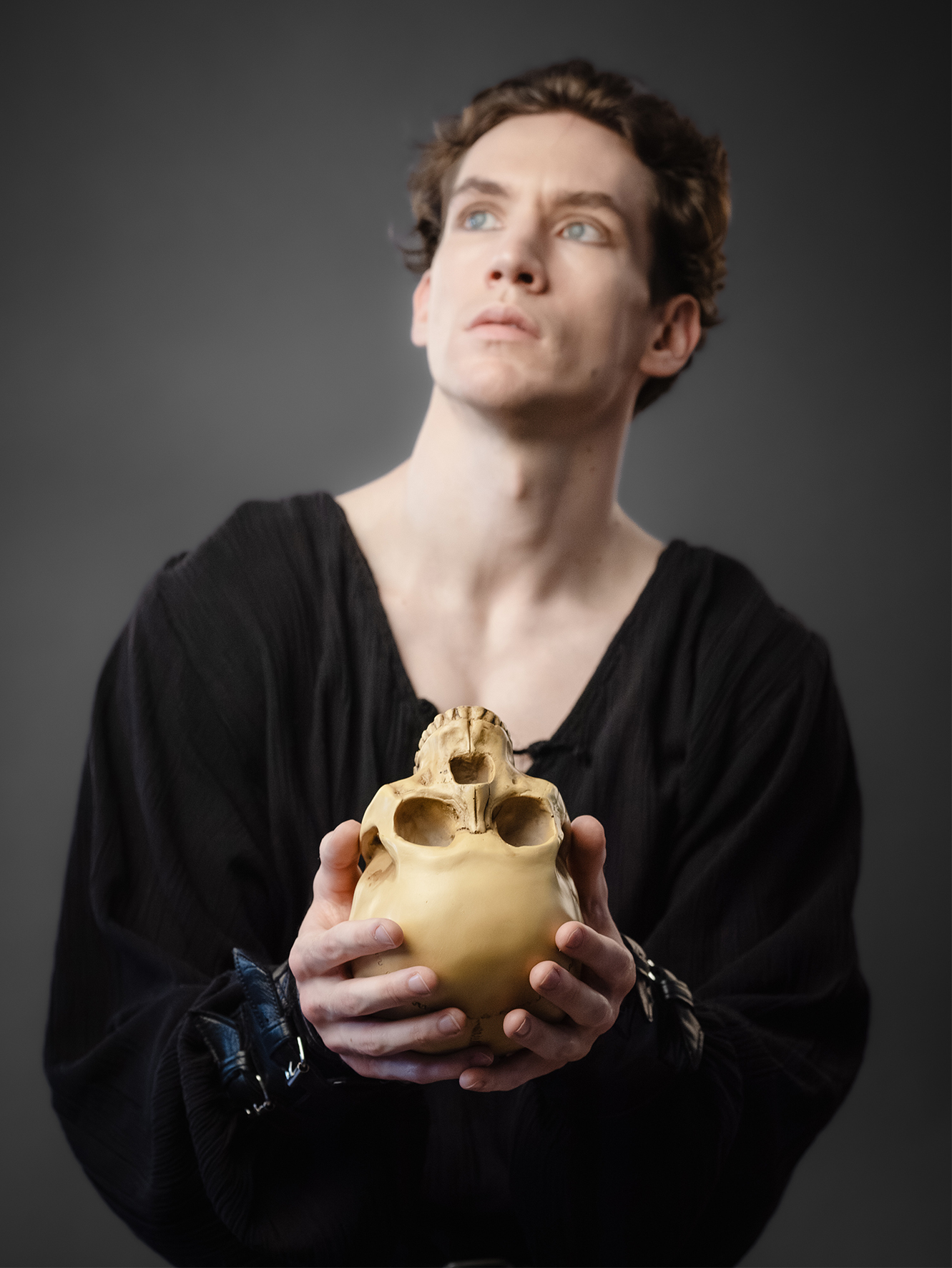
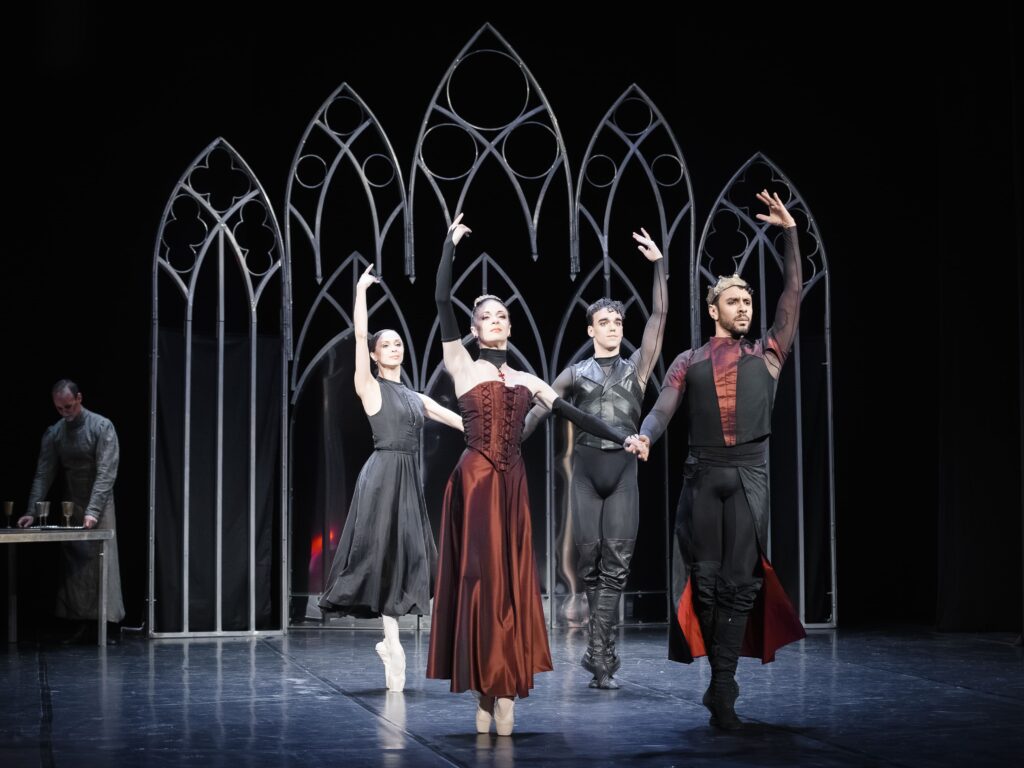
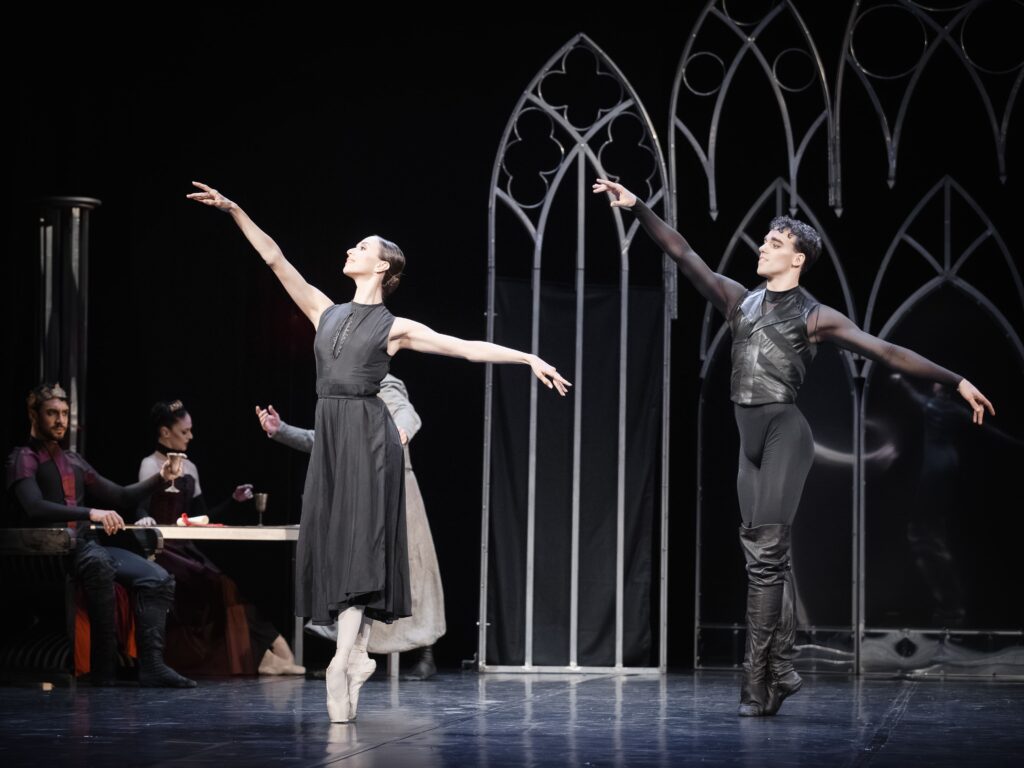
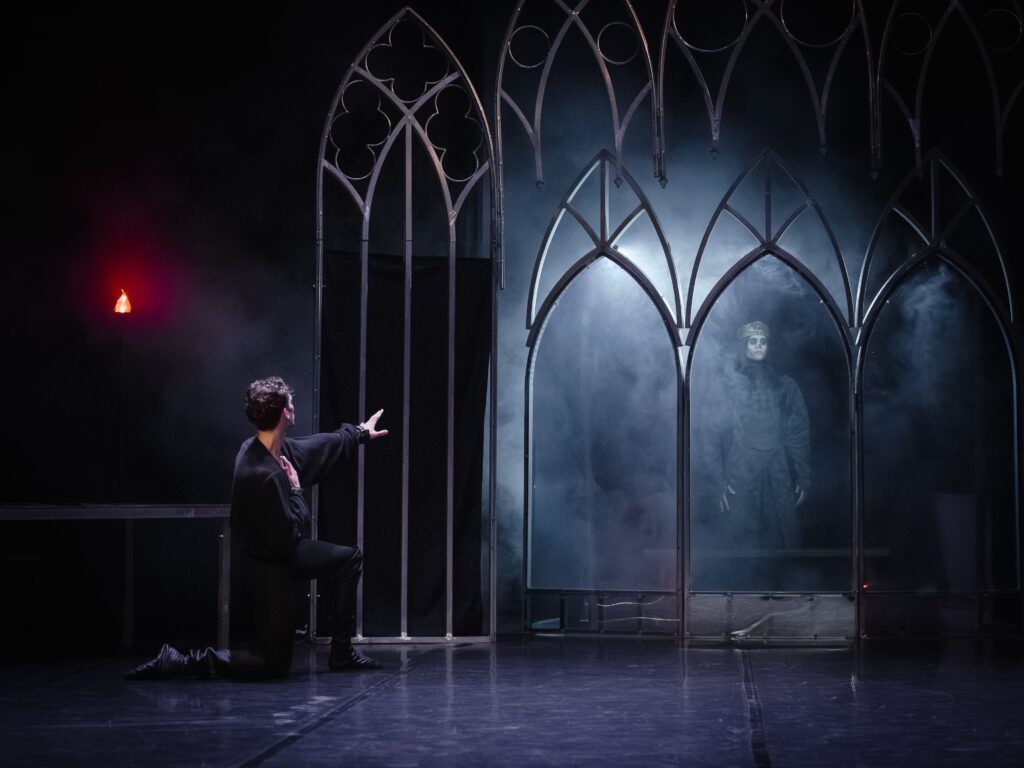
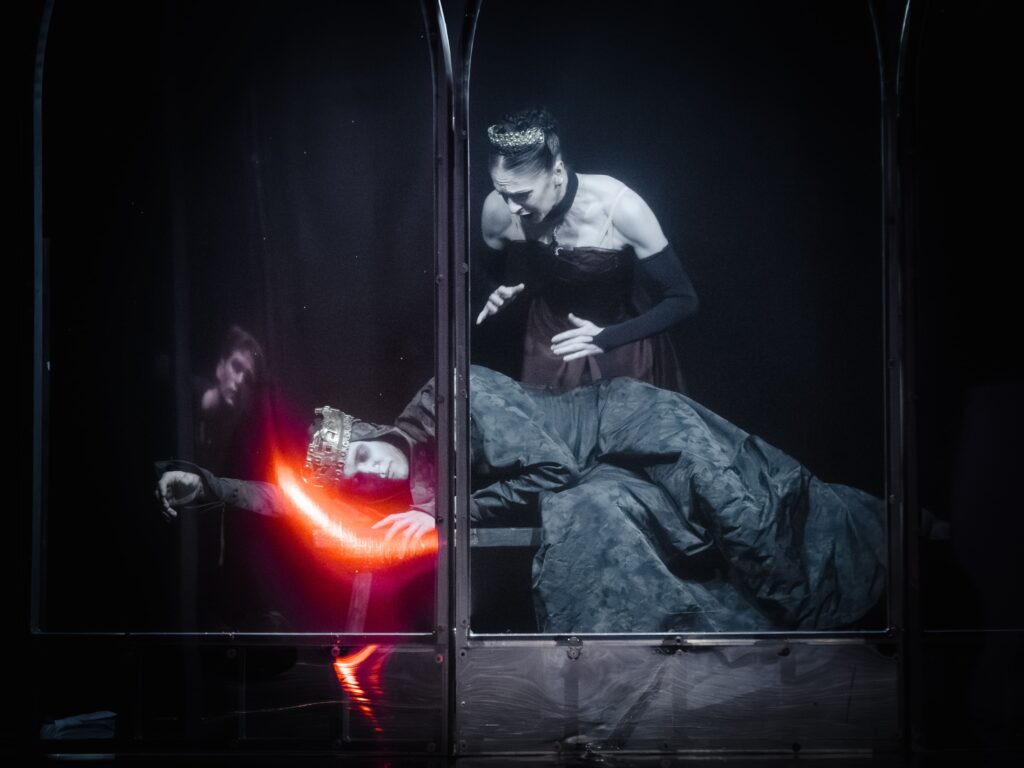
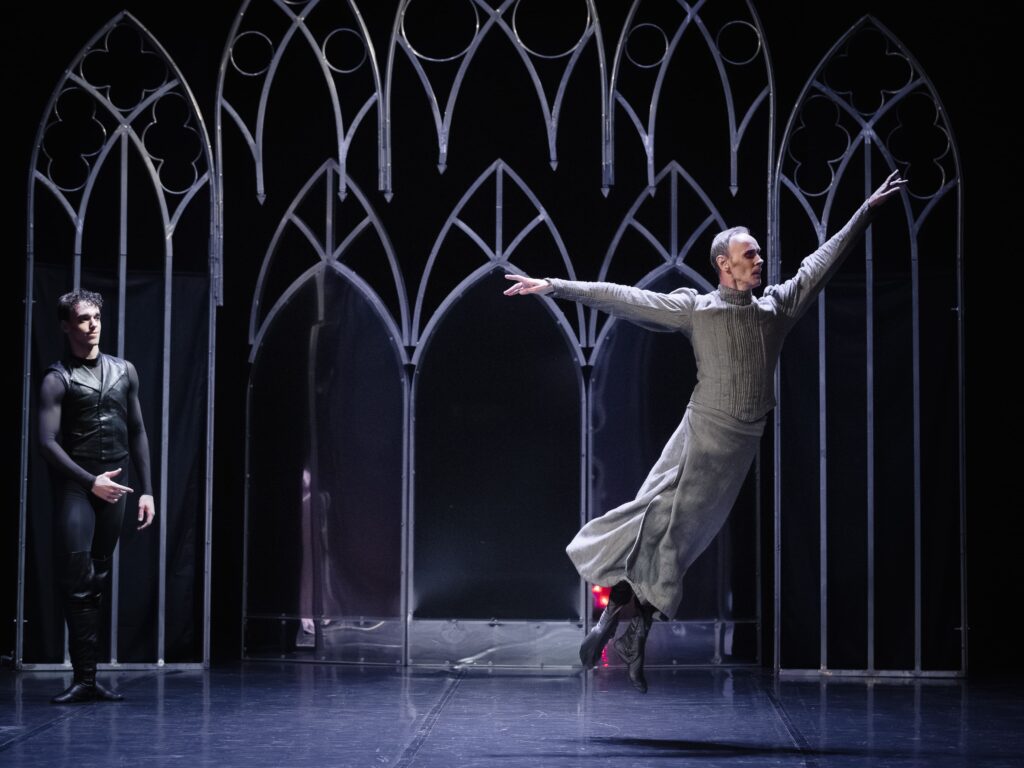
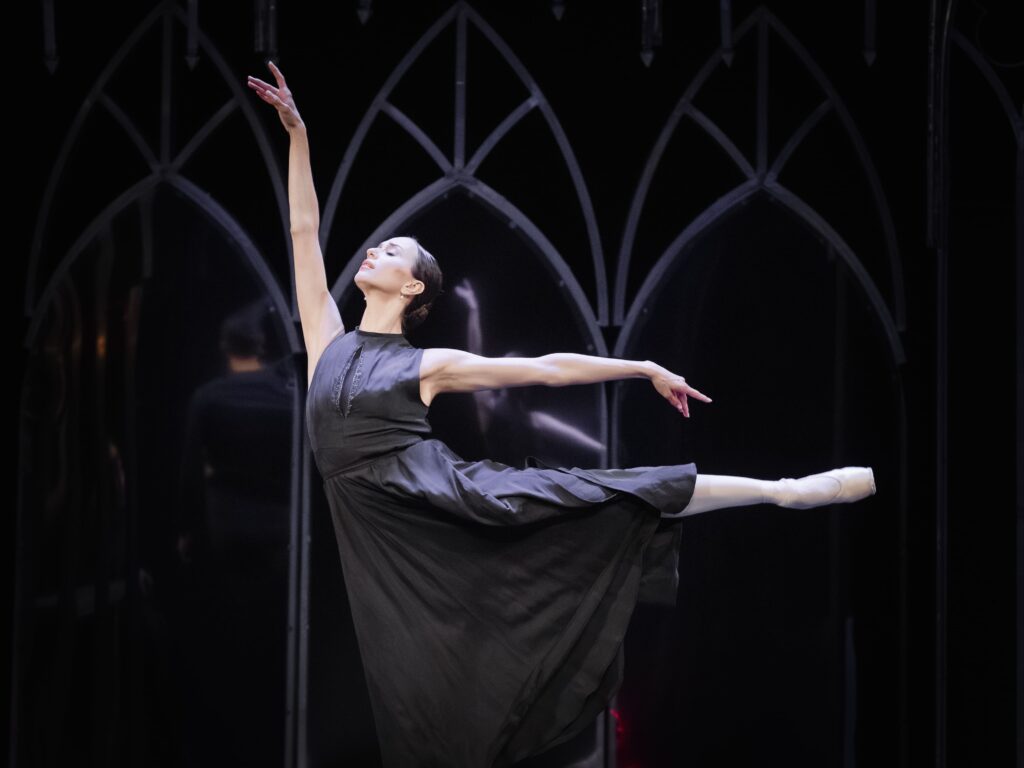
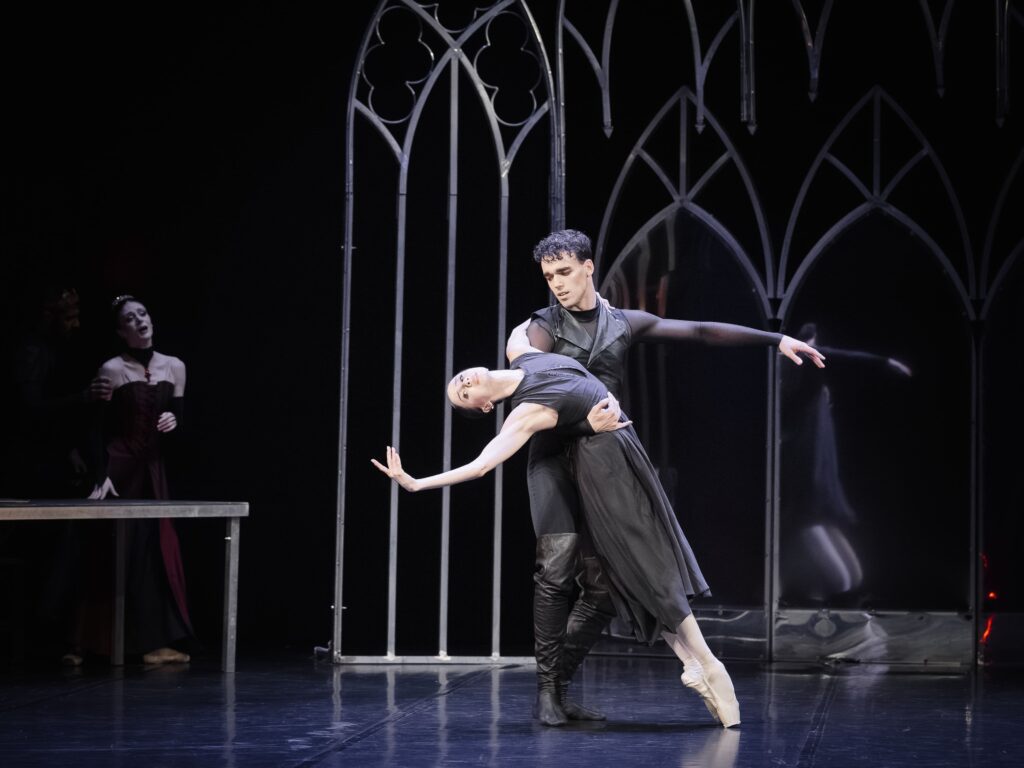
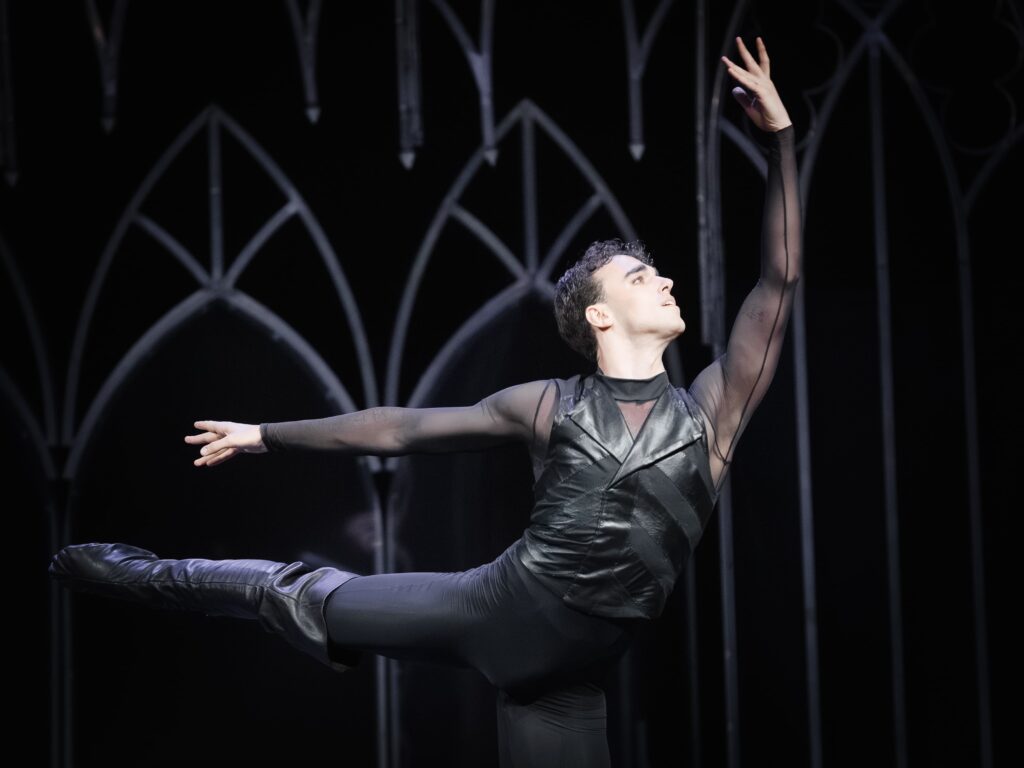
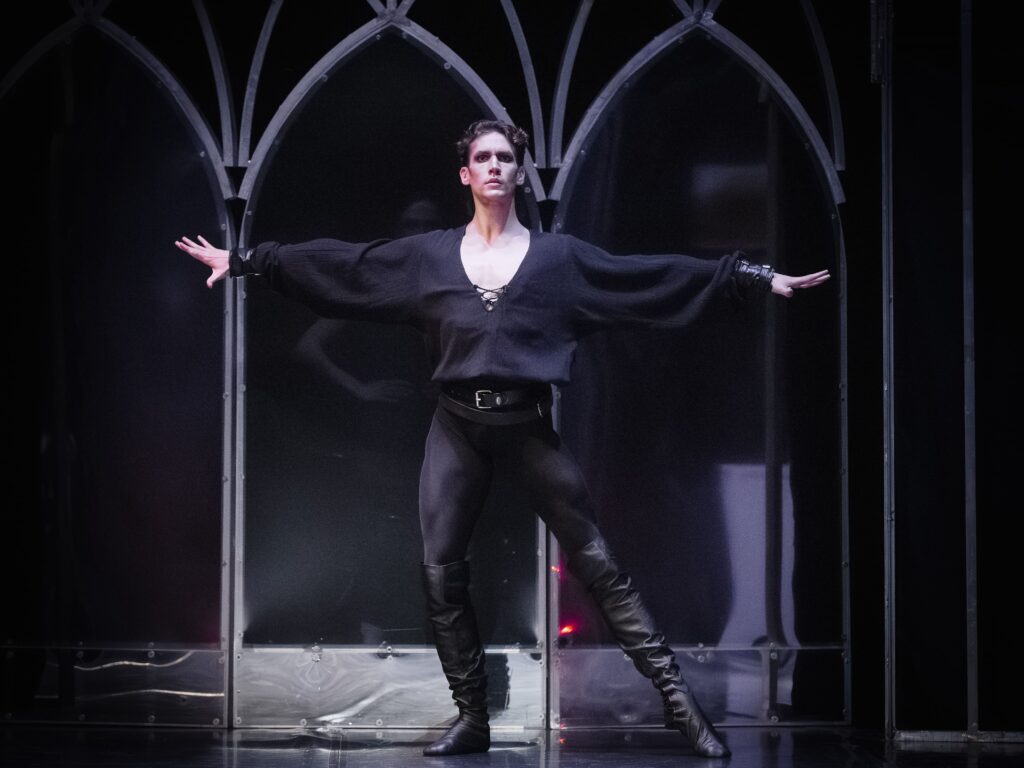
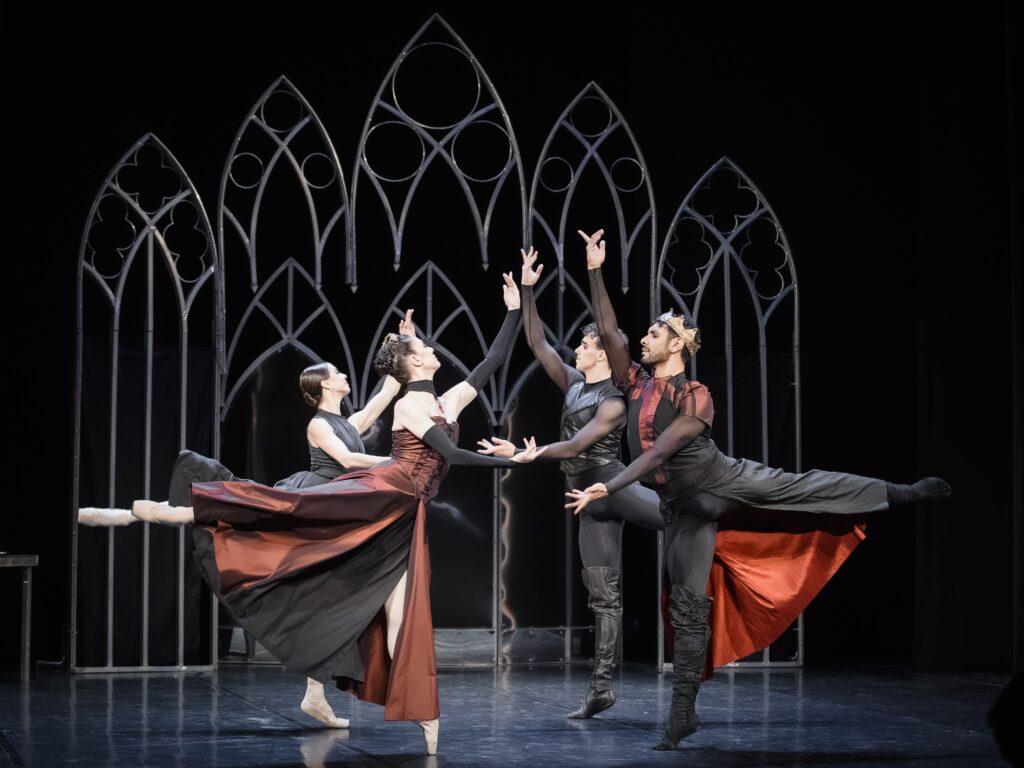
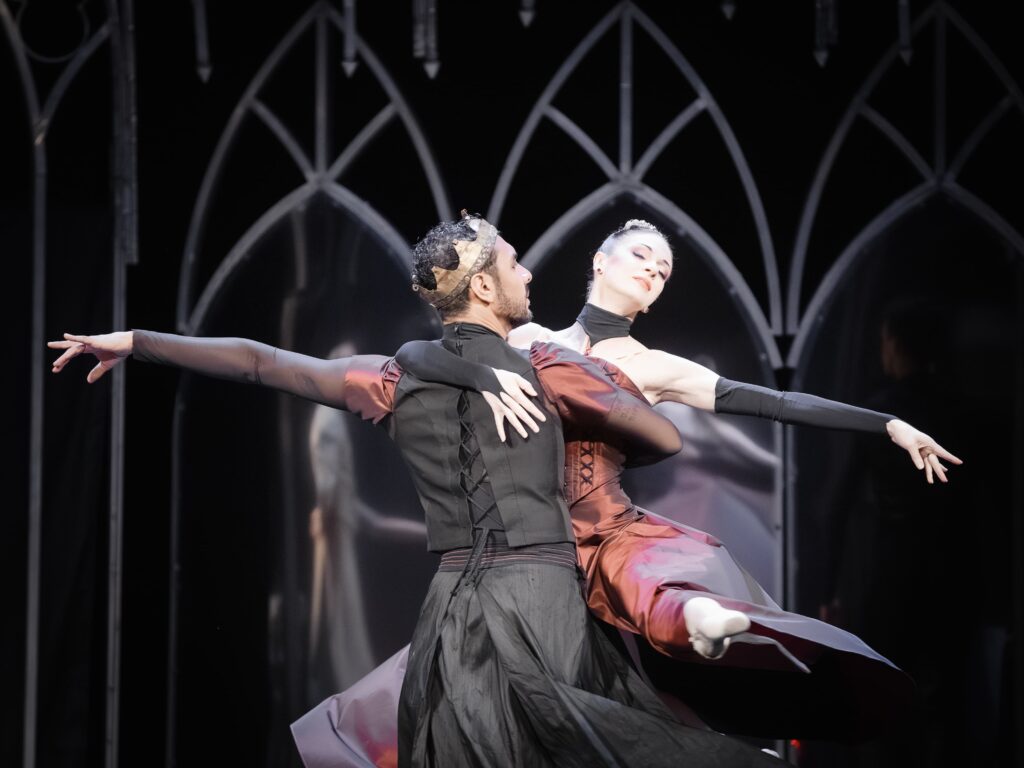
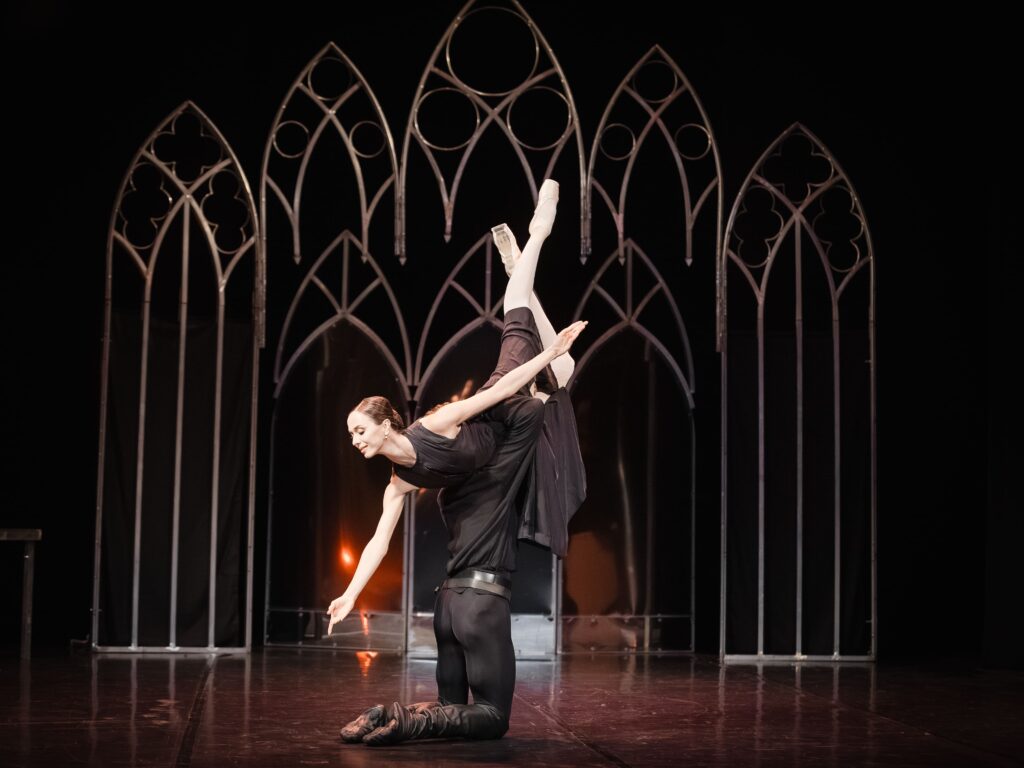
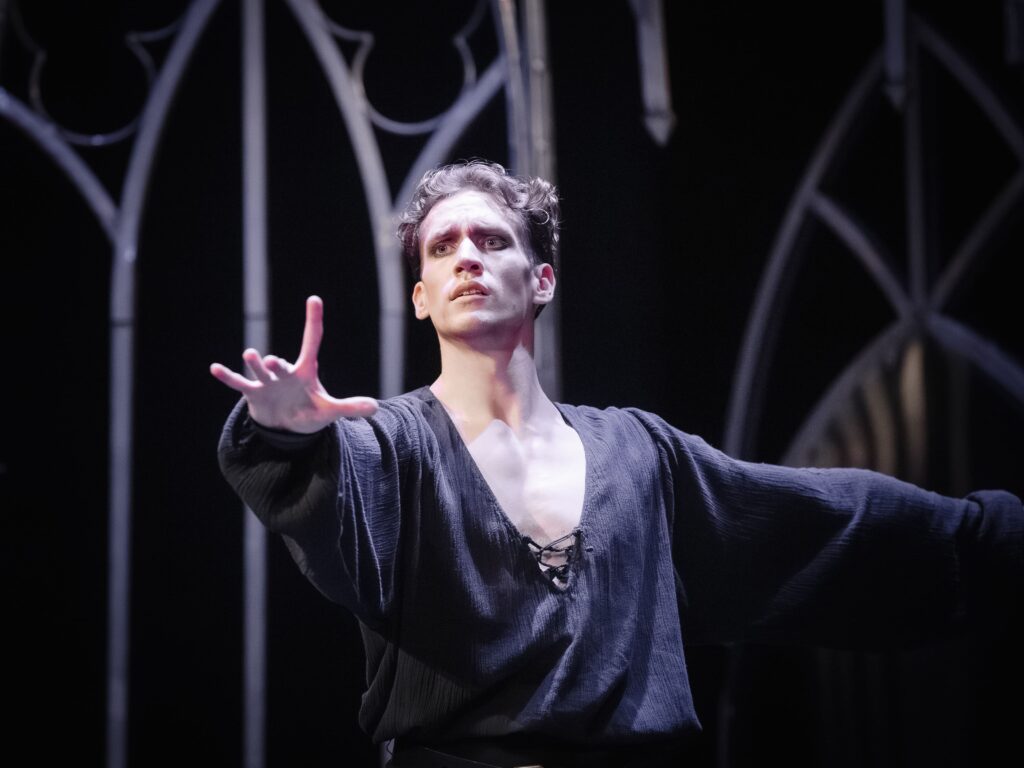
Komorni balet Hamlet Svebora Sečaka remake je predstave premijerno izvedene 2004. godine u HNK u Zagrebu za Baletnu trupu Croatia, u kojoj je autor nastupao u naslovnoj ulozi, za koju je 2005. godine dobio Nagradu hrvatskog glumišta. Predstava je postigla značajan uspjeh na brojnim svjetskim pozornicama – od Sadler’s Wellsa u Londonu do National Arts Festivala u Južnoafričkoj Republici, kao i u Egiptu, Tunisu, Bermudi, Venezueli i drugdje, ostvarivši više od 40 gostovanja. U obnovljenoj verziji nastupa nova etablirana generacija internacionalnih baletnih plesača angažiranih u HNK u Zagrebu, s ciljem nastavka misije izvorne postave u promociji baletne umjetnosti.
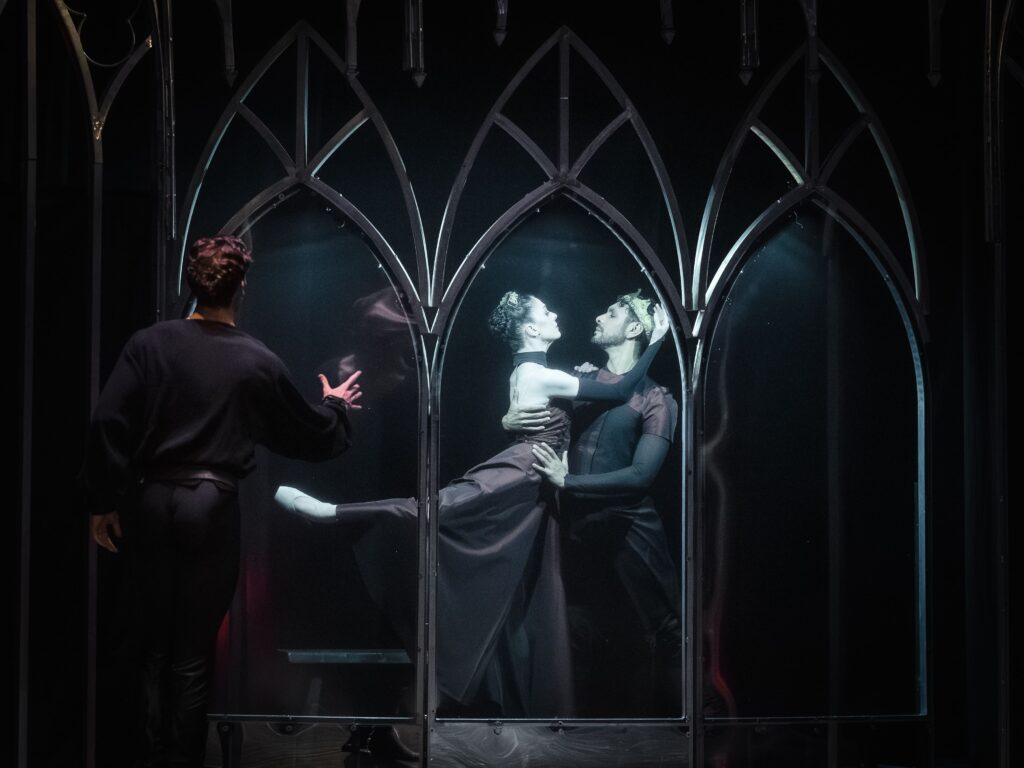
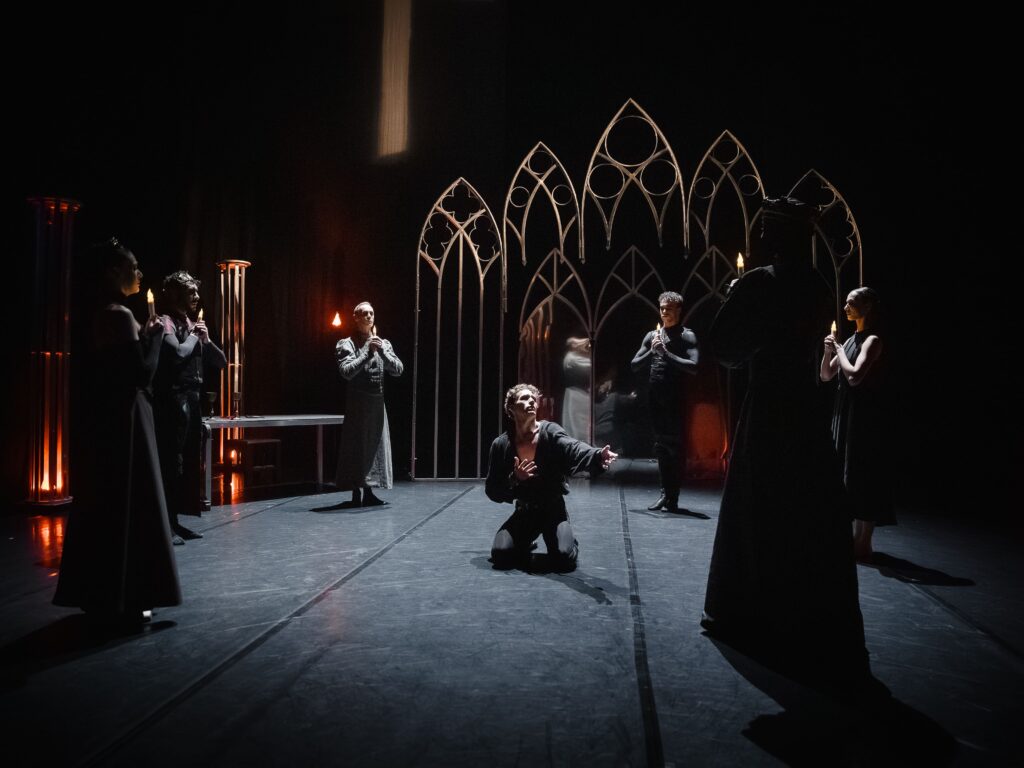
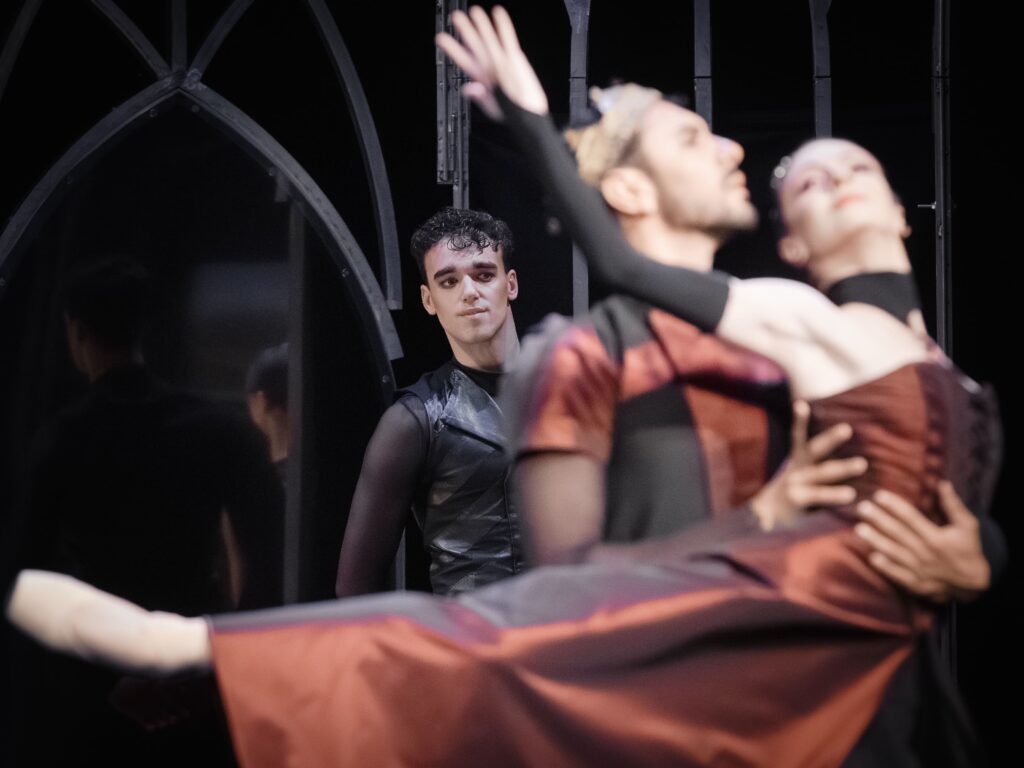
U nastojanju da ontološke preokupacije Hamleta, kao i druge Shakespeareove vječne teme – ljubav, izdaju, unutarnju borbu i osvetu – prenese u pokret, koreograf prevodi Shakespeareov jezik baletnim vokabularom i sintaksom, oslanjajući se na tradicije i konvencije klasičnog baleta kao najrafiniranijeg oblika plesne umjetnosti, referirajući se i na rane renesansne dvorske plesove kako bi zadržao stilsku arhaičnost izraza u skladu s izvornikom. Koreografija je lišena suvišnih ekshibicija i usmjerena na jasnoću fabule. Povijesni, dijakronijski amalgam uspostavlja paralelu između Shakespearea, gotičkog romana, Noverreovog ballet d‘actiona, romantičnog baleta na glazbu Čajkovskog te modernih ideja ekspresije, samoanalize, refleksije i osjećaja. U tom kontekstu prepoznaju se utjecaji Fokinove sinteze pantomime i plesnih koraka, kao i ideja Stanislavskog u narativnim baletima 20. stoljeća. Predstava time implementira koncept intertekstualnosti ali je unatoč tome stilski ujednačena i ne poseže za eklekticizmom, kako bi očuvala Bahtinov kronotop u smislu vremensko-prostorne povezanosti. Nadalje, autor sintetizira ono što vidi kao esenciju Hamleta posežući za egzistencijalističkom idejom bezizlaznosti, poput Sartrea u djelu Iza zatvorenih vrata / No Exit. Ambijent dočarava zidine Elsinorea kao svojevrsnu mišolovku, ne samo za Hamletova strica nego i za svih sedam arhetipskih likova. Na tragu Lacanovih ideja ovaj Hamlet odgovore traži u zrcalu, koje istodobno postaje postmoderna Foucaultova heterotopija – prostor u kojem se ogledaju Hamletova potresna, intenzivna razmišljanja i spoznaje koje su u raskoraku s prividom u kojem živi. Hamletova introspekcija nije samo unutarnji proces; njegova kriza je i politička. Elsinor funkcionira kao zatvoreni sustav moći i kontrole koji ograničava djelovanje. Imaginarni Fortinbras, koji je „pred vratima“, evocira prijetnju rata u susjedstvu, dok kosti žrtava prošlih sukoba još uvijek nisu pronašle svoj mir, što diskretno implicira aktualnost teme i u današnje doba. Izvan klasične psihoanalize na koju se djelo oslanja, ovaj Hamlet se tako može promatrati i kroz prizmu shizoanalize Deleuzea i Guattarija, koja naglašava paranoju društveno-političke opresije ali i fluidnost identiteta koja se očituje ne samo u Hamletovu fragmentiranom karakteru nego i u poziciji autora koji ulogu, nekada kreiranu za sebe, sada oblikuje za drugog interpreta, mijenjajući perspektivu i uvodeći svojevrsni odmak te tako stvarajući novu kvalitetu.
Time ovaj balet Hamlet predstavlja suplementaciju izvorne verzije te je umjesto doslovnog prenošenja cjelokupne drame u medij baleta zamišljen više kao plesni sonet, u smislu odnosa između forme i sadržaja, sažetosti i paralelizma među pojedinim scenama s naglašenom memento mori porukom na kraju.
Bilješka o koreografu
Svebor Sečak, hrvatski je baletni umjetnik, pedagog i koreograf, redoviti član Europske akademije znanosti i umjetnosti. Sveučilišni je profesor i dekan Akademije za ples Alma Mater Europaea u Ljubljani, a predaje i na Akademiji dramske umjetnosti u Zagrebu. Osim u rodnom Zagrebu školovao se u Sankt Peterburgu na Akademiji Vaganova, u Londonu na Kraljevskoj akademiji za ples i u Armidaleu na Univerzitetu Nove Engleske, te stekao titulu doktora znanosti (PhD). Ostvario je međunarodnu karijeru kao plesač i koreograf brojnih baleta izvođenih na gostovanjima diljem svijeta. Bio je dugogodišnji prvak Baleta HNK u Zagrebu te osnivač Baletne trupe Croatia. Organizator je važnih međunarodnih plesnih projekata, konferencija i natjecanja. Dobitnik je brojnih nagrada, uključujući Red Danice hrvatske s likom Marka Marulića. Predsjednik je Hrvatskog društva profesionalnih baletnih umjetnika.
Chamber ballet Hamlet by Svebor Sečak is a remake of the performance that premiered in 2004 at the Croatian National Theatre in Zagreb for Ballet troupe Croatia, in which the author danced the title role for which he received the Croatian Theatre Artsꞌ Award in 2005. The ballet achieved worldwide acclaim on numerous world stages, from Sadler’s Wells in London, to the National Arts Festival in Grahamstown, South Africa, Egypt, Tunisia, Bermuda, Venezuela and elsewhere numbering over 40 guest performances. A new generation of international ballet dancers engaged at the Croatian National Theatre in Zagreb appear in the renewed version, with a desire to continue the mission of the original idea of promoting the art of ballet.
In an effort to convey the ontological preoccupations of Hamlet, as well as other Shakespearean eternal themes such as love, betrayal, inner struggles and revenge, into movement, the choreographer translates Shakespeare’s language into ballet vocabulary and syntax. He adheres to the traditions and conventions of classical ballet as the most refined form of dance art, also referring to early Renaissance court dances, in order to retain a stylistic archaic note of expression in accordance with the literary original. The choreography itself is devoid of excessive dancing exhibitions and is focused on the clarity of the plot. The historical diachronic amalgam draws a parallel between Shakespeare, the Gothic novel, Noverre’s ballet d‘action, romantic ballet choreographed to the music of Tchaikovsky, and modern ideas of expression, self-analysis, reflection and emotions. In this context, the influences of Fokin’s choreographic synthesis of pantomime and dance steps, as well as Stanislavsky’s ideas in the narrative ballets of the 20th century, are also recognised. The performance thus implements the concept of intertextuality but is nevertheless stylistically consistent and does not reach for eclecticism in a desire to preserve Bakhtin’s chronotope in terms of temporal and spatial relationship. Furthermore, the author synthesizes what he sees as the essence of Hamlet, pursuing an existentialist idea of impasse like Sartre in No Exit. The ambience evokes the walls of Elsinore as a sort of mousetrap not only for Hamlet’s uncle, but for all seven archetypal characters. Following Lacan’s ideas, this Hamlet searches for answers in the mirror, that at the same time becomes a postmodern Foucauldian heterotopia – a space which reflects Hamlet’s turmoil, intense thoughts and comprehensions that are at odds with the illusion in which he lives. Hamlet’s introspection is not only an internal process; his crisis is also political. Elsinore functions as a closed system of power and control that limits action. The imaginary Fortinbras, who is “at the door”, evokes the threat of war in the neighbourhood, while the bones of the victims of past conflicts have still not found their peace, which discreetly implies the relevance of the topic in today’s times. Beyond the classical psychoanalysis on which the work relies, this Hamlet can thus be observed through the prism of schizoanalysis propounded by Deleuze and Guattari, which emphasizes the paranoia of socio-political oppression but also the fluidity of identity that is manifested not only in Hamlet’s fragmented character but also in the position of the author who now shapes the role, once created for him, for another interpreter, changing the perspective and introducing a kind of distance, thus creating a new quality.
This ballet Hamlet represents a supplement to the original version, and instead of literally transferring the entire drama into the medium of ballet, it is conceived more like a dance sonnet, in relation to form and content, conciseness and parallelism between individual scenes, and with a strong Memento mori message at the end.
About the choreographer
Svebor Sečak, is a Croatian ballet artist, pedagogue and choreographer, a regular member of the European Academy of Sciences and Arts. He is a university professor and dean of the Alma Mater Europaea Dance Academy in Ljubljana and teaches at the Academy of Dramatic Art in Zagreb as well. He studied in his hometown Zagreb, in Saint Petersburg at the Vaganova Academy, in London at the Royal Academy of Dance and in Armidale at the University of New England where he earned his PhD degree. He has achieved an international career as a dancer and choreographer of numerous ballets performed on tours around the world. He was a long-time principal dancer of the Ballet of the Croatian National Theatre in Zagreb and the founder of Ballet troupe Croatia. He is the organiser of important international dance projects, conferences and competitions. He has received numerous awards, including the Order of Danica Hrvatska with the image of Marko Marulić. He is the president of the Croatian Society of Professional Ballet Artists.